

Every Child Is Different. What If AI Could Help Us Parent Accordingly?
“There is no way to be a perfect mother and a million ways to be a good one." - Jill Churchill
Artificial intelligence could help parents become better shepherds of their children's unique potential.
As a father of 9 children I've learned a fascinating parenting truth.
Two children can grow up in the same home, with the same parents, the same rules, and the same family values, yet turn out remarkably different.
One child thrives on praise and encouragement. Another responds better when given independence and responsibility.
One loves adventure and social interaction. Another prefers quiet reflection and a good book.
One needs a hug after a difficult day. Another needs a little space before they're ready to talk.
And sometimes, the parenting approach that works beautifully with one child seems to backfire spectacularly with another.
What's a loving parent supposed to do?
Perhaps the answer begins with recognizing that fair parenting doesn't necessarily mean identical parenting.
And thanks to artificial intelligence, we may soon have extraordinary new opportunities to better understand and nurture the unique children entrusted to our care.
Parents Are Shepherds, Not Engineers
Years ago, renowned psychologist and ADHD researcher Dr. Russell Barkley offered a powerful analogy about parenting.
Parents are shepherds, not engineers.
Engineers design things. They determine the specifications, select the materials, and attempt to control the finished product.
But children aren't manufactured products.
They enter the world with unique combinations of inherited characteristics, temperaments, abilities, and predispositions.
While parents may have enormous influence over how their children develop, they do not get to design every aspect of who those children will become.
Barkley suggested that a better way to understand parenting is to think of ourselves as shepherds.
A shepherd doesn't determine the nature of the sheep.
But a good shepherd chooses the pastures, provides nourishment, offers protection, recognizes individual needs, and creates conditions in which the flock can flourish.
While I do believe that there is more to parenting than that, Barkley's point is that parents do not have to shoulder the burden of the choices their children make.
It relieves parents of the impossible responsibility of controlling every outcome while reminding us how much our loving guidance matters.
And it raises an exciting question.
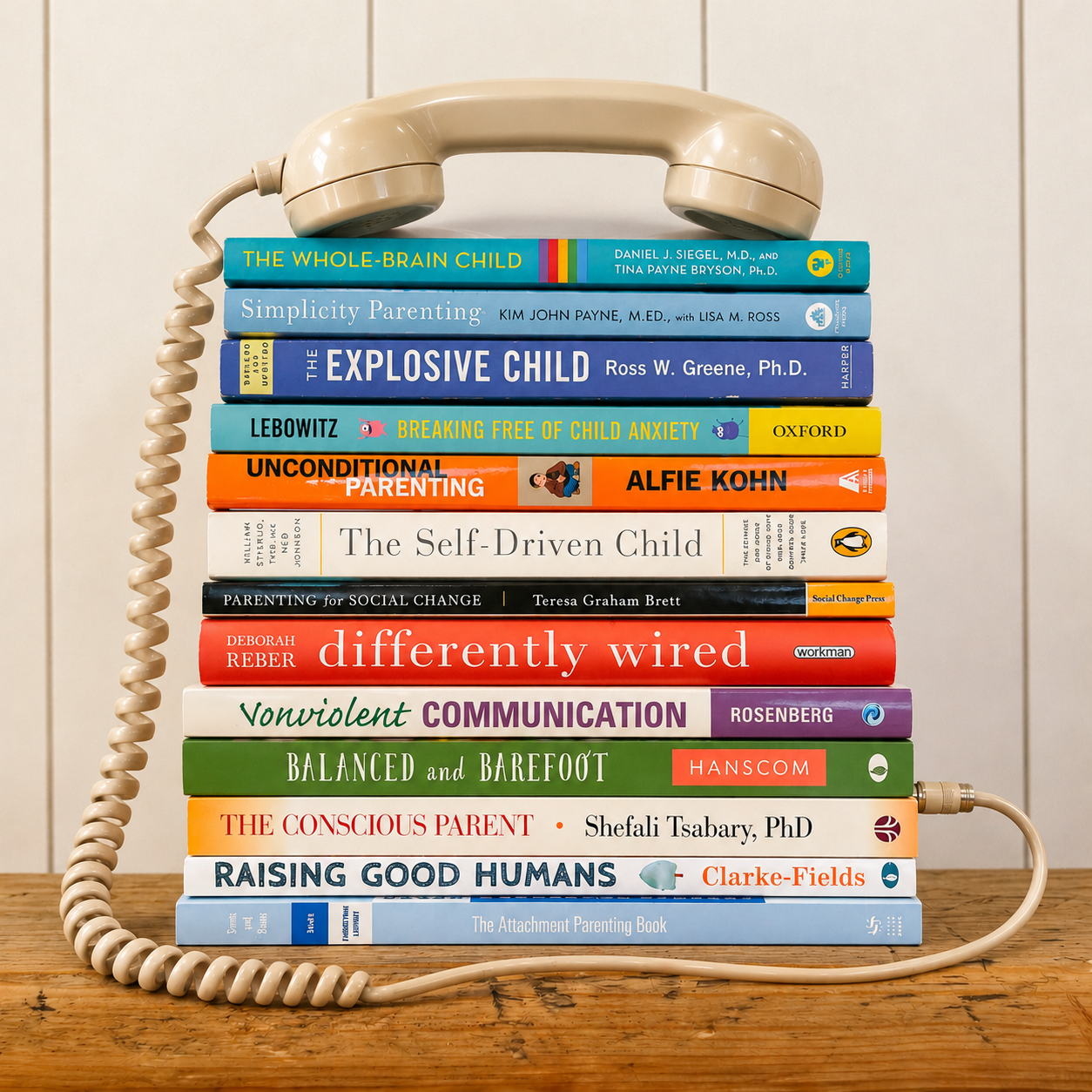
What if today's shepherds had access to an instant library of on-call parenting experts who could help them better understand the needs of each individual child?
The Coming Revolution in Personalized Parenting
We've already begun exploring how artificial intelligence can personalize education.
AI tutors can adapt explanations, provide immediate feedback, and help students explore subjects according to their abilities, interests, and progress.
A child who loves horses might learn mathematics through examples involving horses. Another who loves space exploration could approach the same concepts through rocket science.
But why should personalization stop at education?
What if AI could also help parents personalize the way they encourage, communicate with, discipline, mentor, and connect with their children?
Developmental psychologists have long emphasized that understanding a child's unique temperament can help caregivers provide more appropriate support.
Of course, attentive parents already try to do this.
They observe their children, learn from experience, adjust their expectations, and seek advice when challenges arise.
But imagine having an AI advisor that could help parents recognize patterns, consider possibilities, and develop thoughtful approaches tailored to each child.
That could be an enormous advantage.
Imagine an AI That Understands Your Family
Consider a mother with three very different kids.
Each has completed a personal discovery process exploring their interests, strengths, aspirations, personality characteristics, values, and goals.
At Waypoint, our students go through an exercise which helps young people discover and articulate these important aspects of who they are.
Now imagine a future AI parenting assistant that could draw upon relevant, parent-and-teen-approved insights from those discoveries.
It might understand that one child loves entrepreneurship, responds well to personal responsibility, and dreams of starting a business.
Another is deeply interested in music, struggles with discouragement, and feels especially valued through meaningful one-on-one time.
The third is analytical, independent, and motivated by opportunities to solve difficult problems.
The AI also understands the family's values, expectations, and long-term educational goals.
One afternoon, Mom is frustrated because her 14-year-old son has been putting off his schoolwork.
She asks her custom AI parenting coach:
"I'm having trouble motivating my son to finish his assignments. Based on what we've learned about his interests and personality, what approach might work best?"
Instead of generic advice about consequences and rewards, the assistant might suggest:
"You've mentioned that he enjoys entrepreneurship and values independence. Perhaps invite him to create his own schedule and explain how he'll meet his responsibilities. You might also explore whether his assignments could connect with one of his business interests. Before assuming he's simply unmotivated, ask what he finds difficult about getting started."
That's a very different conversation from, "Finish your homework or lose your phone!"
And it might produce a very different result.
Now imagine Mom facing a similar challenge with her daughter.
The AI could suggest an entirely different approach, informed by the world's leading parenting experts customized with what the family has learned about that specific daughter's needs and preferences.

Same family. Same underlying values. Different children. Thoughtfully individualized guidance.
Beyond Solving Problems: Discovering Potential
What excites me most about this possibility is that personalized AI parenting could accomplish much more than help resolve conflicts.
Imagine an AI assistant helping parents recognize an emerging talent that might otherwise go unnoticed.
Perhaps a daughter demonstrates an unusual ability to organize people and projects. The assistant could suggest leadership opportunities, community service activities, or entrepreneurial experiences that nurture those abilities.
Perhaps a son has an intense fascination with animals. AI could help his parents discover books, mentors, volunteer opportunities, and educational projects that turn that fascination into meaningful learning.
Or imagine an AI helping a father better understand why his teenage daughter feels misunderstood, then offering thoughtful ways to strengthen their relationship.
The assistant could even help parents reflect on their own habits.
"You mentioned that conversations with your daughter often become tense when you offer solutions immediately. Would you like to try asking what kind of support she wants before giving advice?"
Sometimes the shepherd needs a little coaching too!
And that might be one of AI's greatest contributions.
It could help parents become more observant, more intentional, and more responsive to the individual needs of each child.
Imagine the difference that could make over an entire childhood.
I have 9 kids and there have been times when I could have benefitted from an intelligent assistant in my ear to say,
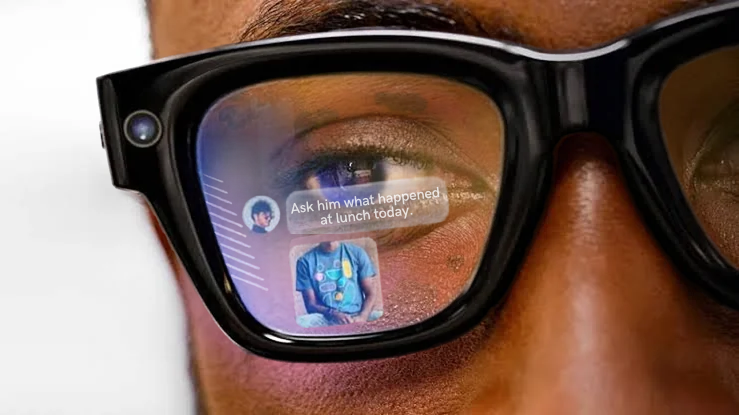
"Bill, I've noticed that your voice is getting a little elevated and your speech cadence is speeding up. I'm not sure this is the most effective way to teach this lesson to your son right now. I recommend you pause, take a deep breath, and consider revisiting this conversation when you've had a chance to separate yourself from the emotion of it."
Maybe for some parents, that is taking this a little too far, but to those who could benefit from some science-backed parenting assistance, perhaps this would be very helpful.
The Shepherd Must Remain in Charge
Of course, this vision comes with important responsibilities.
An AI assistant might know a great deal about a child without truly knowing that child.
Personality assessments, love-language preferences, and learning interests can provide useful clues, but they should never become permanent labels.
In fact, the evidence doesn't support assigning children rigid learning styles and limiting instruction accordingly. Children grow, change, and frequently surprise us.
A good AI coach should encourage parents to remain curious rather than assume they've figured their children out.
Privacy is equally important.
Information about a child's fears, friendships, emotions, and personal aspirations deserves careful protection.
Parents and teenagers should have age-appropriate control over what information is shared, how it's used, and what remains private. An AI parenting advisor should never become a secret surveillance system.
And sometimes the most important information will come from simply sitting down and listening to our children.
No algorithm can replace that relationship.
An AI can suggest approaches, help us consider alternatives, and remind us of important details.
But parents must retain responsibility for decisions, while children gradually develop the wisdom and independence to make more decisions for themselves.
After all, the goal of good shepherding is to help our children become capable of governing their own lives.
You Can Begin Exploring This Today
We don't need to wait for sophisticated family AI systems to begin discovering the benefits.
Even today's AI assistants can help parents think through challenges more thoughtfully.
Try describing a situation involving one of your children, without sharing sensitive identifying information, and ask:
"What are three possible explanations for this behavior that I might be overlooking?"
"How might I approach this conversation in a way that respects my child's temperament and growing independence?"
"What questions could I ask to better understand my child's perspective?"
"How could I encourage this particular interest or strength while helping my child develop greater responsibility?"
Then consider the suggestions, apply your own judgment, and talk with your child.
AI's greatest contribution may be helping us ask better questions, recognize possibilities, and become more thoughtful parents.
A New Generation of Better-Equipped Shepherds
Dr. Barkley's analogy reminds us of something every parent needs to understand.
Our children arrive with unique combinations of gifts, challenges, personalities, and potential.
We cannot engineer every aspect of their development, and we shouldn't try.
But we can become better shepherds.
We can learn to recognize their individual needs, cultivate their strengths, provide appropriate challenges, and help them discover meaningful directions for their lives.
And now, for the first time in history, ordinary families are gaining access to intelligent tools that could help them accomplish those responsibilities with an entirely new level of insight and personalization.
At Waypoint AI Academy, we believe the future of education and parenting should honor the uniqueness of every child while helping families develop character, competence, truth-seeking, and value-aligned direction.
We're excited to explore how parent-guided AI can make that vision increasingly practical.
Because the greatest promise of personalized AI isn't simply that we might become more efficient at raising children.
It's that we might become better at understanding, loving, and nurturing each remarkable individual entrusted to our care.
The shepherd still leads.
But imagine how much more effectively we could shepherd with a little intelligent help.
At Waypoint AI Academy, we're helping families discover how to use AI wisely, safely, and purposefully to raise capable, confident, future-ready teens. Because every child is unique, and every child deserves the opportunity to flourish.