

Every Child Is Different. What If AI Could Help Us Parent Accordingly?

AI could help parents become better shepherds, adapting guidance to each child's unique strengths and needs while honoring parental love and judgment.



AI could help parents become better shepherds, adapting guidance to each child's unique strengths and needs while honoring parental love and judgment.

A Berkeley professor's homework policy challenges parents to rethink how children develop knowledge, character, and competence in the AI age.

AI didn’t create education’s decline. Used wisely, it can strengthen thinking, personalize learning, and help teens become more capable.

George Washington Carver started with what he had. Our teenagers should too. They just happen to have AI. We should not underestimate the good they can do with it.

Very soon, AI will make elite one-to-one tutoring available to every child. The challenge is teaching teens to use that power to think, create, solve, and grow wisely.

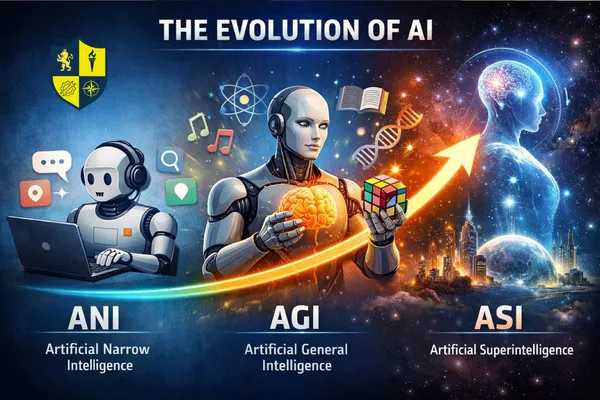
AGI may reshape work, education, and childhood. What matters most is helping kids build the character and competence to use powerful AI well.

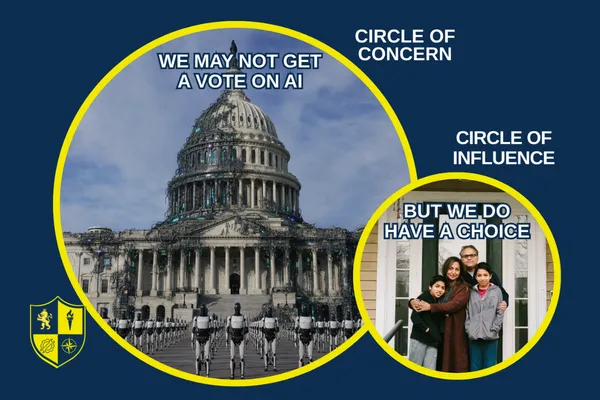
AI’s global future may be beyond our control, but families still have power: teach kids to use AI wisely, ethically, creatively, and for good.

AI can deepen dependency or help teens become more capable, reflective, and resilient. The goal is human growth, not easier shortcuts.

AI’s risks are real, but so is its potential. Parents must help teens imagine what becomes possible when powerful tools serve wisdom, creativity, and good.

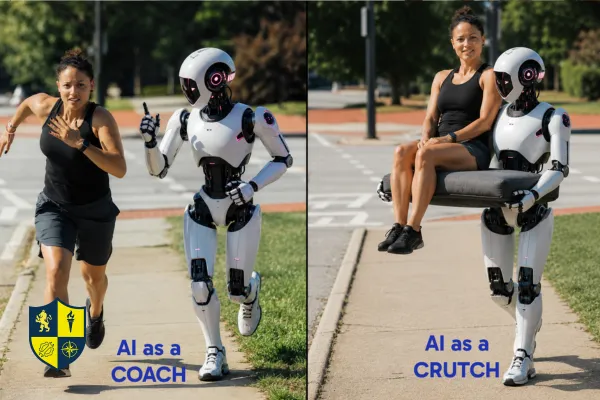
AI use can strengthen a teen’s mind or slowly replace it. Parents can learn from practical examples ways to keep AI in the role of a coach, not a crutch for their kids.